






What Is the 54321 Packing Rule? The Simple Formula for a Week of Travel in One Carry-On
What Is the 54321 Packing Rule? The Simple Formula for a Week of Travel in One Carry-On
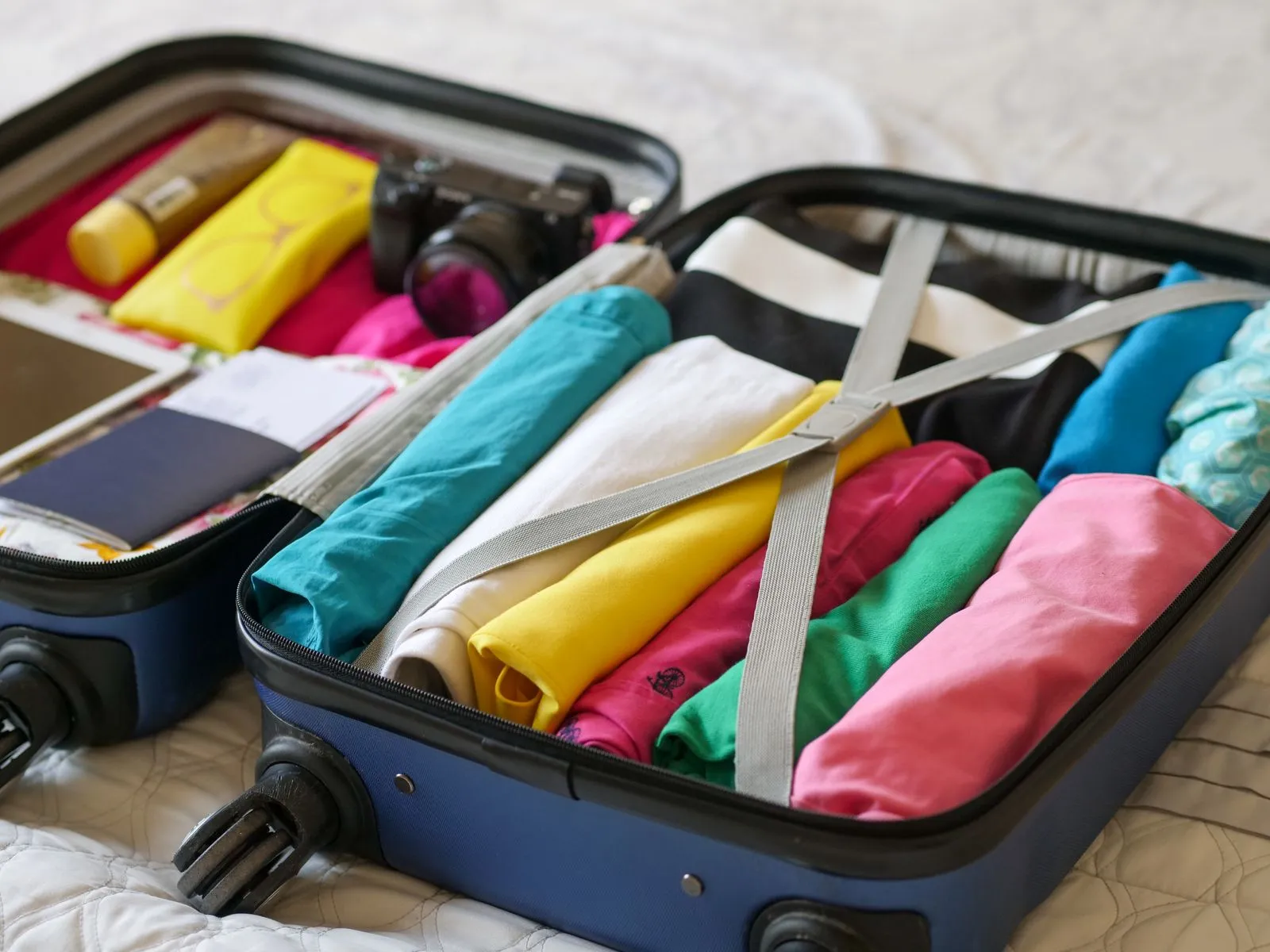
Your flight leaves in three hours, your suitcase is already zipped, and a pile of “maybe” clothes still sits on the bed. Most of us pack for imaginary versions of our trips, not the actual one. That is why the 54321 packing rule blew up: it replaces the guessing with a number. Five tops, four bottoms, three pairs of shoes, two layers, and one of each accessory. That is the whole wardrobe for a week-long trip, and it fits in a carry-on.
It sounds almost too simple. But the math behind it is genuinely clever, and once you try it, you will wonder why you ever packed twelve “just in case” shirts. Here is how the rule works, where it came from, and how to bend it for winter trips and family travel.
The 54321 Packing Rule Explained
At its core, the 54321 packing rule is a counting framework for a week-long trip. Instead of staring at your closet and pulling whatever looks nice, you commit to a fixed number of items in five categories:
- 5 tops: t-shirts, blouses, button-downs, tanks, or sweaters
- 4 bottoms: jeans, trousers, skirts, or shorts
- 3 pairs of shoes: one on your feet, two in the bag
- 2 layers: jackets, cardigans, hoodies, or dresses that double as layers
- 1 of each accessory: one belt, one pair of sunglasses, one scarf, one set of everyday jewelry
The keyword is commitment. Every piece has to earn its spot by working with the other pieces. That forces you to think in outfits, not in individual garments, which is the real trick.
Breaking Down the Numbers: What Each Digit Means
5 tops: the foundation of every outfit
Tops are what people actually notice in photos, so this category gets the biggest number. Pick five that all go with your bottoms: a couple of neutrals, one button-down, one nicer piece, and one long-sleeve top or sweater. Merino wool and nylon blends resist wrinkles and odors far better than plain cotton, which means you can re-wear a top without it looking tired.
4 bottoms: the anchors
Bottoms get fewer slots because you can wear the same jeans three times in a week and nobody will notice. Go with two pairs of jeans or trousers, one pair of shorts or a skirt, and one dressier option like chinos. Everything should work with every top you packed. If a bottom only matches one shirt, it does not make the cut.
3 pairs of shoes: the hard limit
Shoes are the heaviest, bulkiest items in any suitcase. Wear the bulkiest pair on the plane, that is free real estate. Then pack two: one comfortable walking pair and one dressier option.
2 layers or dresses: your weather insurance
Two layers handle the swings that ruin trips: the over-air-conditioned restaurant, the chilly evening, the surprise rain. A light jacket and a cardigan or hoodie cover most situations. In the original version of the rule, this slot was two dresses, because it was popularized by a female travel blogger. The modern take is broader: any two pieces that add warmth or dress up an outfit.
1 of each accessory: the finishing touch
Accessories weigh almost nothing and change how an outfit reads. One belt, one pair of sunglasses, one watch, one scarf. The scarf is the secret weapon: it works as a wrap on the plane, a cover-up at religious sites, and an extra layer on cold nights.
Where Did the 54321 Rule Come From?
The formula was popularized by Australian blogger Geneva Vanderzeil, who shared her 5-4-3-2-1 packing guide in a TikTok video before a long overseas work trip with multiple connections. More flights means more chances for a checked bag to go missing, so everything had to fit in a carry-on. Reader’s Digest later explained the method to a much bigger audience, and it became a full-blown travel trend.
It took off as airlines raised checked-bag fees. When most US carriers charge $35 or more for the first checked bag on a domestic flight, fitting a week into a carry-on is not just convenient, it pays for dinner.
Does It Actually Work for a Full Week?
Five tops times four bottoms gives you 20 possible combinations. You will never wear all 20 in seven days, which is exactly the point. The surplus is your buffer for weather changes, spills, and the outfit you wore on the plane.
Two habits make or break the rule. First, do one small load of laundry midweek if your hotel or rental has machines. Many travelers pack a few detergent sheets (lighter than a liquid bottle, TSA friendly) for exactly this. Second, commit to rewearing bottoms. Jeans, trousers, and skirts can go three or four wears between washes if you air them out overnight. Tops, on the other hand, get one or two wears, which is why they get the biggest number.
The one blind spot people ask about is underwear, socks, and toiletries. Those sit outside the rule because they are consumables, not wardrobe pieces. Pack seven sets of underwear and socks, and keep toiletries to the TSA 3-1-1 liquids rule: one quart-size bag, bottles of 3.4 ounces or less. That part has nothing to do with fashion and everything to do with getting through security without a bin full of confiscated shampoo.
How to Make the 54321 Rule Work for Men
The original version leaned feminine, but the framework works for any wardrobe. Five tops becomes three casual shirts and two button-downs. Four bottoms: two jeans or chinos, one pair of shorts, one dressier trouser. Shoes stay at three, with the dress shoe slot doing real work. The two layers become a jacket and a sweater. Accessories: one belt, one watch, one pair of sunglasses. Same numbers, same math, same carry-on.
Tweaking the Rule for Winter Trips
Cold weather is the one real challenge, because winter clothes are bulky. You do not abandon the rule, you reinterpret it. Your two layers become your two heaviest pieces: a proper coat and a fleece or puffer vest. Wear the coat on the plane. Swap one bottom for thermal leggings that fit under jeans, and make two of your five tops thermal base layers. They weigh almost nothing and add real warmth.
This is especially worth doing if you are heading somewhere cold this season. Our guide to the best places to travel in December covers destinations where a smart winter capsule wardrobe like this earns its keep.
Common Mistakes That Break the Rule
Packing pieces that only match one thing. Every item should pair with at least three others. If a top only works with one specific bottom, it is dead weight.
Ignoring the shoes you wear on the plane. The rule says three pairs total, and your bulkiest pair goes on your feet. People who forget this end up with three pairs in the suitcase and zero legroom.
Packing “what if” clothes. The “what if there is a fancy gala” outfit is how a carry-on becomes a checked bag. Dress up what you have instead: a scarf and the nice shoes turn the black top and trousers into an evening look.
Forgetting it is a guideline, not a law. A beach trip needs an extra swimsuit more than a second layer. A hiking trip needs the trail shoes more than the dress shoes. Adjust the numbers to your actual trip.
Frequently Asked Questions
What is the 54321 packing rule?
It is a packing formula for a week-long trip: 5 tops, 4 bottoms, 3 pairs of shoes, 2 layers or dresses, and 1 of each accessory. The numbers force you to pack mix-and-match pieces, which creates up to 20 outfit combinations from just 15 clothing items.
Is the 54321 rule enough for two weeks?
For longer trips, the rule still works as a base, but plan on doing laundry. Two mid-trip laundry sessions turn the same 15 items into a two-week wardrobe. Alternatively, repeat the formula at 1.5x: 7 tops, 5 bottoms, same shoes and layers.
Does the 54321 packing rule work for kids?
It works well, with one adjustment: kids get messier, so bump tops to 6 or 7 and accept that laundry is happening regardless. The counting framework still helps, because kids’ packing tends to be the most chaotic “just throw it all in” category of all.
The Bottom Line
The 54321 packing rule works because it turns packing from an emotional decision into a math problem. Fifteen clothing items, twenty possible outfits, one carry-on, zero checked-bag fees, and no more midnight “maybes” before your flight. Try it on your next trip, even a short solo getaway like the ones in our best places to travel solo guide. You will pack in half the time, and you will not miss a single thing you left behind.