





Democrats vs Republicans Key Differences Explained (2026)
If you have ever watched an American election night and wondered what actually separates the two big parties, you are not alone. Democrats vs Republicans key differences come up every election cycle, yet most explanations drown you in jargon or quietly take a side. This guide does neither: it sets out what each party stands for, where they disagree, and where they overlap.
In short, Democrats generally favor a bigger federal government that funds public services and protects civil rights through national law. Republicans generally favor a smaller one, with lower taxes and more decisions left to states and families. Everything below is that one disagreement, applied to taxes, health care, guns, and immigration.
Democrats vs Republicans Key Differences at a Glance
The table below summarizes each party’s 2024 platform position.
| Issue | Democratic Party | Republican Party |
|---|---|---|
| Government | Active government, growing the economy “from the bottom up” | Smaller government, lower taxes, fewer regulations |
| Taxes | No tax rises under $400,000; minimum tax for billionaires | Make the 2017 tax cuts permanent; no tax on tips |
| Health care | “Health care should be a right, not a privilege” | Price transparency and competition; protect Medicare |
| Immigration | Border bill; path to citizenship for Dreamers | Finish the wall; mass deportations; tighter vetting |
| Energy | Speed up clean energy to cut emissions and bills | Expand oil, gas, coal, and nuclear |
| Guns | Universal background checks; ban assault weapons | Defend the Second Amendment |
What Each Party Believes, in Its Own Words
The Democratic case
Democrats have long seen government as a tool people can use together to solve problems individuals cannot fix alone. In a 2024 Pew survey, 76% of Democrats said the government should do more to solve problems. The platform builds on that idea: the economy works best when the middle class and working families get the gains, so taxes should rise on the very wealthy, not on households under $400,000.
The Republican case
Republicans have long seen a large government as a risk to freedom and to family budgets. In the same survey, 71% of Republicans said the government is doing too many things better left to businesses and individuals. Lower taxes and lighter regulation let people keep more of what they earn, and that gives businesses room to hire. A secure border comes first, and many decisions belong with states and communities, not Washington.
Both lists claim to protect ordinary families. The real difference is whether the federal government is mostly the solution or the obstacle.
Where They Stand on the Big Issues
Taxes and the economy
Democrats back progressive taxation: higher earners and corporations pay a larger share, funding schools, health care, and infrastructure. Republicans back broad tax cuts, arguing lower taxes create jobs that benefit everyone. For more on how Washington pays for things, see our guide to what the debt ceiling is.
Health care
Democrats want to protect and expand the Affordable Care Act and support Medicaid; on the party’s left, some back “Medicare for All.” Republicans oppose government-run universal health insurance and prefer private markets. Both sides say they want lower drug prices and no cuts to Medicare for current retirees. For a plain-English comparison, see Medicare vs Medicaid: the difference explained.
Immigration
This is one of the sharpest divides. Democrats support border security plus a path to citizenship, including for Dreamers, people brought to the US as children. Republicans prioritize strict enforcement, deportations, border barriers, and lower overall immigration. The 2024 Republican platform calls for finishing the border wall, while the Democratic platform backs the bipartisan border bill.
Guns and abortion
Democrats support universal background checks and a ban on assault weapons. Republicans defend the Second Amendment right to keep and bear arms and oppose most new limits. On abortion, Democrats support legal access and want Roe v. Wade restored through federal law, while Republicans generally support restrictions, leaving details to the states.
Climate, energy, and education
Democrats push for clean energy investment and lower emissions, arguing clean energy also lowers household bills. Republicans favor expanding oil, gas, coal, and nuclear production with lighter regulation, arguing domestic drilling is what lowers prices. On education, Democrats favor public investment and cheaper college, while Republicans favor school choice and vouchers.
A Quick History: How the Parties Got Here
The Democratic Party dates to 1828, built around supporters of Andrew Jackson. The Republican Party was founded in 1854 by opponents of slavery, and its first president was Abraham Lincoln. In the 19th century, Democrats were the party of the Southern states, while Republicans were the party of the North, backing Reconstruction and civil rights for freed slaves.
The New Deal of the 1930s remade the Democrats under Franklin D. Roosevelt, and the civil rights laws of the 1960s finished the shift: the once solidly Democratic South moved toward the Republican Party, while parts of the Northeast moved the other way. The symbols help: the donkey for the Democrats, in blue, and the elephant for the Republicans, in red. Republicans also call their party the GOP, short for Grand Old Party.
Who Votes for Each Party
Neither party is a monolith. In the Pew Research Center’s 2026 survey, 47% of American adults identified with or leaned toward the Democratic Party and 43% toward the Republican Party. Women leaned Democratic, 52% to 38%, and men leaned Republican, 43% to 49%. Voters aged 18 to 29 leaned Democratic, 54% to 38%. Black adults leaned Democratic, 73% to 14%, and Hispanic adults leaned Democratic, 57% to 29%.
The bigger story is the middle: 44% of adults call themselves independents or “something else,” but most lean toward one of the two parties. That is why a handful of swing states, including Arizona, Georgia, Michigan, Nevada, North Carolina, Pennsylvania, and Wisconsin, decide so many national elections. To see how those contests work, read our guide to how midterm elections work.
Who Holds Power Right Now
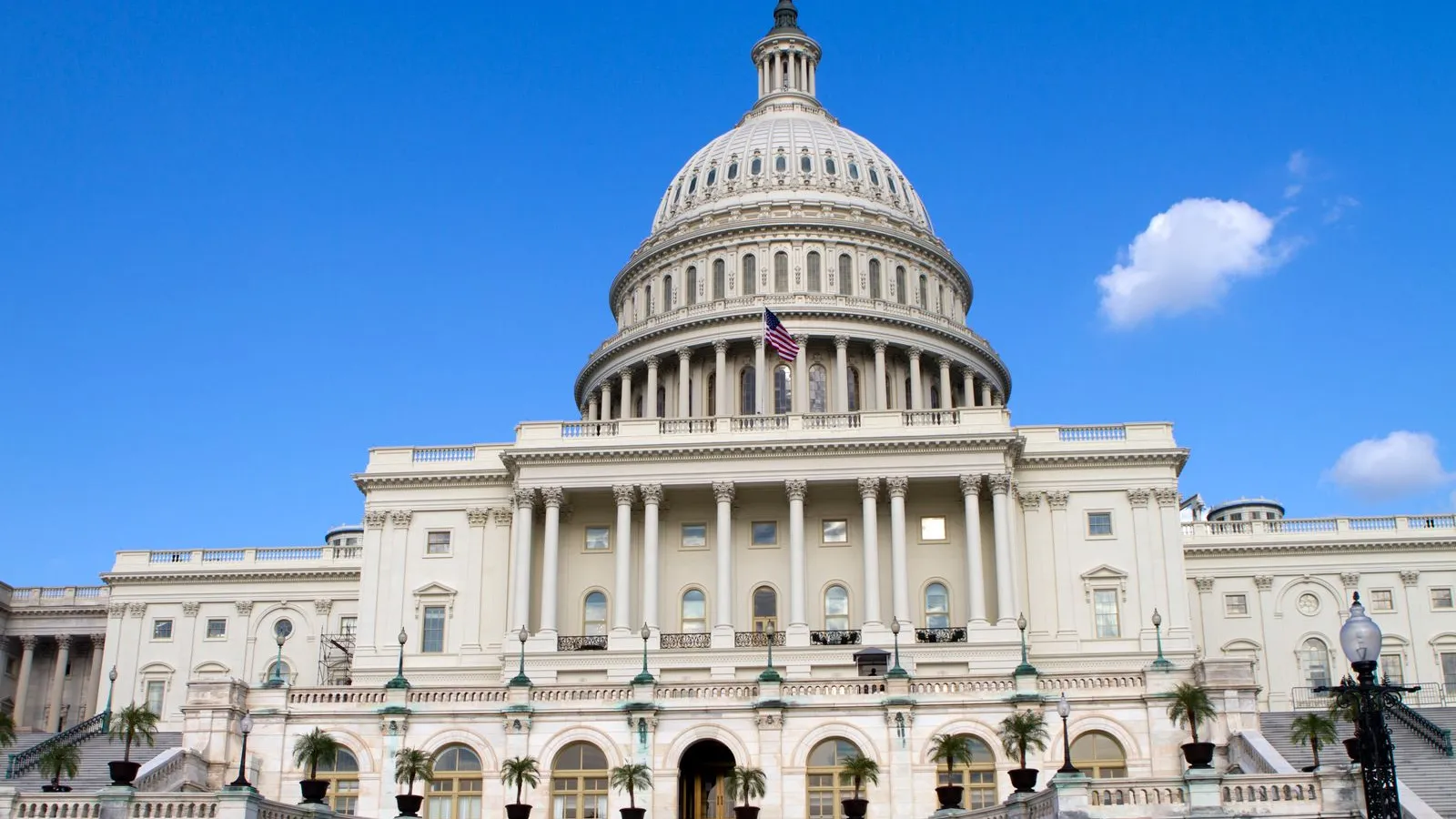
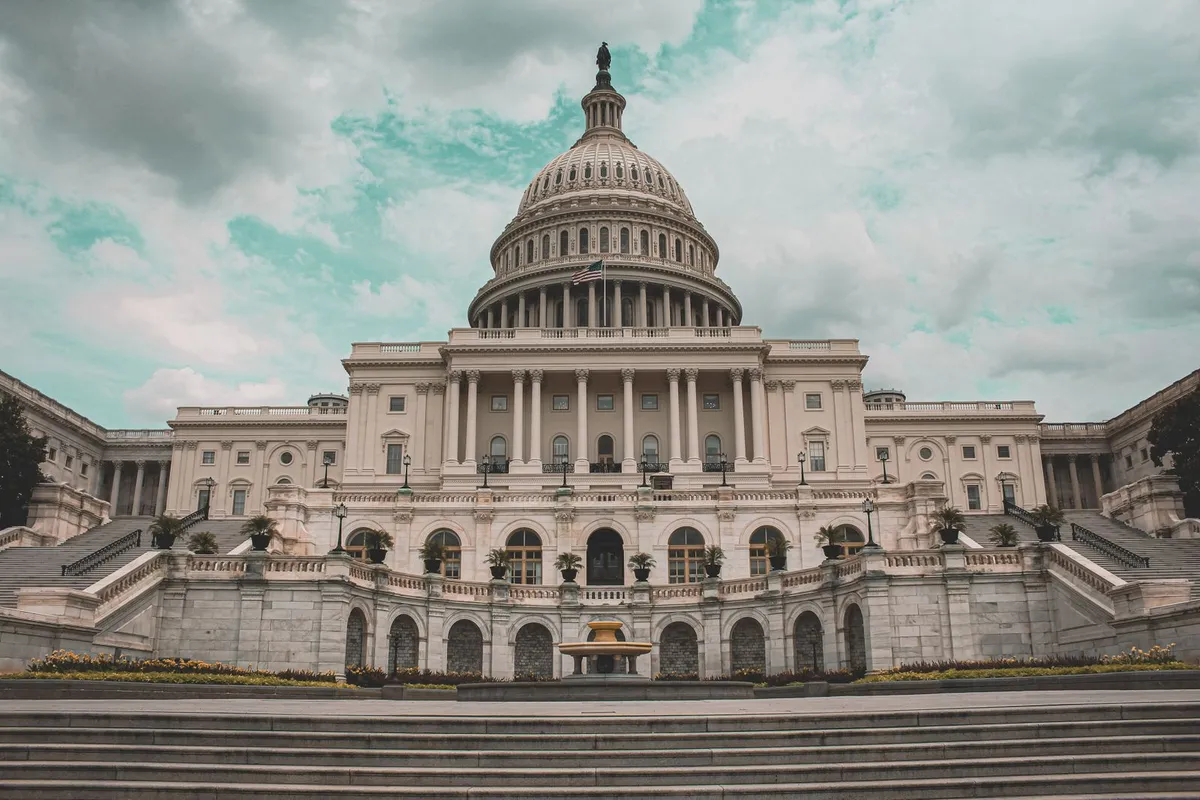
Republicans hold the White House and both chambers of Congress. Donald Trump is president, with JD Vance as vice president. In the House, Republicans hold 218 seats and Democrats hold 214, with one independent and two vacancies, according to the Clerk of the House. In the Senate, Republicans hold 53 seats and Democrats 45, plus two independents who caucus with the Democrats. All 435 House seats and about a third of the Senate are on the ballot on November 3, 2026, so these numbers may change soon. The two chambers split the work of lawmaking differently, as explained in our guide to the difference between the Senate and the House of Representatives.
Where the Two Parties Actually Agree
Most comparisons skip this part, but it matters. Both say they will protect Social Security and Medicare benefits for current retirees. Both promise lower prescription drug prices, though they propose different ways to get there. Both call small businesses the backbone of the economy and promise them tax relief. Both support a strong military and better pay and care for veterans. None of this makes the parties the same: the argument is usually about how to reach a shared goal.
How to Figure Out Where You Stand
Skip the labels and answer these questions honestly. When a problem is too big for families to solve, should Washington take the lead, or should states, charities, and markets? Would you rather pay more in taxes for broader public services, or pay less and keep more choices yourself? Which worries you more on immigration: too little border enforcement, or too few legal paths for people already here? If your answers lean one way on almost everything, you probably know which platform fits you better. If they are mixed, you are like a lot of Americans. Check your registration at vote.gov for your state’s deadlines and primary rules.
Frequently Asked Questions
Is every Democrat liberal and every Republican conservative?
Mostly, but not entirely. Each party has moderates, and plenty of voters mix views: someone can favor lower taxes and also support abortion access. Liberal and conservative describe ideologies, while Democrat and Republican describe party membership.
Did the Democratic and Republican parties switch sides?
Their voter bases did shift. After the New Deal of the 1930s and the civil rights laws of the 1960s, the once solidly Democratic South moved toward the Republican Party, while parts of the Northeast moved the other way.
Why is the Democratic Party blue and the Republican Party red?
TV networks used the colors inconsistently for years, sometimes assigning red to Democrats. The current scheme stuck after the coverage of the 2000 presidential election, when the long, close count kept the colored electoral maps on screen for weeks.
Conclusion
Democrats vs Republicans key differences come down to one question: how much should the federal government do, and who should decide? Democrats answer with a bigger federal role, higher taxes on the wealthy, and expanded public health care. Republicans answer with lower taxes, lighter regulation, stronger borders, and more decisions left to states and families. Check your registration and vote on November 3, 2026.