





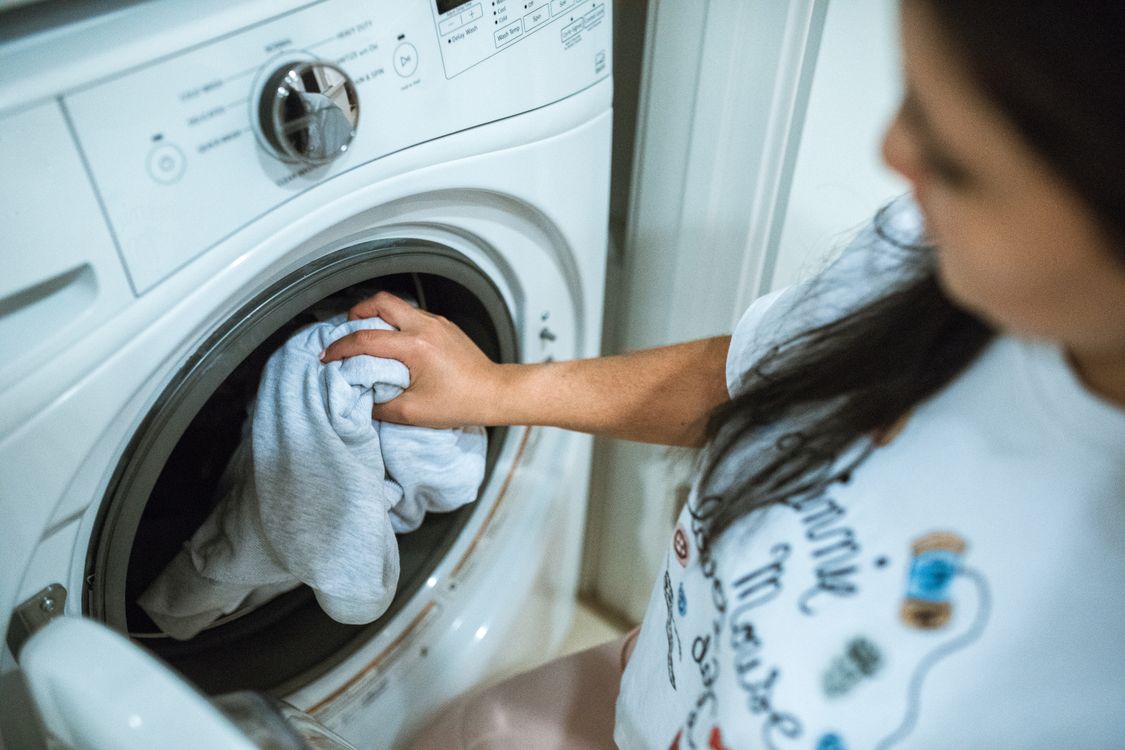
How to Deep Clean a Washing Machine So Your Clothes Smell Fresh Again
Here’s a confession: most of us never think about cleaning the machine that cleans our clothes. It runs every week, sometimes every day, yet it goes years without so much as a wipe-down. And then one day you pull out a load of towels and they smell… off. Sour. Musty. Like a locker room had a baby with a swamp.
That’s your washing machine telling you it’s filthy. The fix is learning how to deep clean a washing machine properly — not the quick wipe you’re thinking of, but a real, drum-to-drain overhaul. Do it every couple of months and your laundry comes out smelling like laundry again, your machine lasts longer, and you stop re-washing loads that should have been fine the first time.
This guide covers the full process for both front loaders and top loaders, using stuff you probably already own: vinegar, baking soda, bleach, and about an hour of mostly hands-off time.
Why Your Washing Machine Gets So Dirty
It sounds backwards, right? The machine that washes things is itself dirty. But think about what’s happening in there: every cycle leaves behind a little detergent residue, fabric softener, body oils, lint, and water. Then the door closes, the drum stays dark and damp for hours, and that leftover film becomes a buffet for mold, mildew, and bacteria.
Front loaders get it worst around the rubber door gasket — peel it back and you’ll probably find a gray slime line you didn’t know existed. Top loaders hide gunk under the lid rim, around the agitator or impeller, and inside the fabric softener dispenser. High-efficiency machines are especially prone to buildup because they use so little water per cycle that residue doesn’t fully rinse away.
Microbiologists have found everything from E. coli to skin-flora bacteria thriving in washers that never get cleaned. I’m not saying your machine is a health hazard — but it’s definitely the reason your gym clothes still smell like gym clothes.
What You’ll Need
You don’t need anything exotic. Gather this before you start:
- 2 to 4 cups of white distilled vinegar (the big cheap jug from Walmart or Target works fine)
- 1/2 cup of baking soda
- 1 cup of liquid chlorine bleach like Clorox (optional — pick vinegar or bleach, never both)
- A commercial washer cleaner such as Affresh (about $12 for a 3-pack, optional but effective)
- A few microfiber cloths
- An old toothbrush for crevices
- Rubber gloves if you’re sensitive to bleach or vinegar fumes
How to Deep Clean a Washing Machine in 7 Steps
Run through these in order. The whole thing takes roughly an hour, and most of that is the machine doing its thing while you do yours.
- Empty the machine completely. Check every pocket, every corner of the drum. One forgotten crayon or lip balm will ruin your day. This also applies to the detergent dispenser drawer — pull it out if you can.
- Run the hottest empty cycle with your cleaner of choice. Set the washer to its hottest, longest setting — on many US models that’s “Sanitize,” “Heavy Duty,” or “Whites.” Add either 2 cups of white vinegar directly into the drum, or 1 cup of bleach into the bleach dispenser, or one Affresh tablet into the drum. Vinegar’s acetic acid dissolves mineral deposits and soap scum; bleach kills mold and bacteria outright. A second hot cycle with 1/2 cup of baking soda after the first one finishes gives you extra deodorizing power. Whatever you choose, run one cleaning agent per cycle and never combine vinegar and bleach in the same load — mixed together they create chlorine gas, which is genuinely dangerous.
- Attack the rubber gasket (front loaders). While the cycle runs — or right after — grab your toothbrush and a cloth dampened with diluted vinegar. Peel back the rubber door seal and scrub the fold. This is where front loaders hide their worst buildup: black spots of mold, trapped hair, slimy residue. Wipe it thoroughly and dry the seal afterward with a clean cloth.
- Clean the detergent dispenser drawer. Pull the drawer out (most slide out completely with a little push-tab). Soak it in hot, soapy water for 15 minutes, then scrub the compartments and the housing it slides into — mold loves the dark corners behind the drawer. Rinse well and slide it back in.
- Clear the drain pump filter. Most front loaders have a small access panel near the bottom front of the machine. Put a towel down — water will come out — open the filter, and pull out the lint, coins, hair ties, and general mystery gunk. Rinse the filter under the tap and replace it. Top loaders generally don’t have this, so you can skip this step if that’s what you own.
- Wipe the drum, door, and exterior. After the cycle finishes, wipe down the inside of the drum, the door glass, and the lid or door rim with your vinegar-dampened cloth. Then wipe the control panel, top, and sides. A quick buff with a dry microfiber cloth keeps everything looking as fresh as it smells.
- Leave the door open. This is the habit that matters most. Leave the door or lid ajar after every wash so air circulates and the drum dries out. A closed, damp washer is a mold incubator. An open one mostly takes care of itself.
Front Loader vs. Top Loader: What’s Different
The 7 steps above work for both, but each type has its quirks.
Front loaders (think LG, Samsung, Whirlpool front-load models): the gasket is enemy number one, as described. Also check the drain pump filter — it’s the most commonly forgotten maintenance point on these machines.
Top loaders with an agitator: scrub around the base of the agitator and under the lid’s inner rim, where detergent splashes and dries into a crust. Top loaders without an agitator (HE impeller models like many Maytag and GE machines): pay attention to the fabric softener dispenser cup in the center — it clogs with blue gunk faster than you’d believe.
Whichever type you have, one rule holds: if your machine has a dedicated “Clean Washer” or “Tub Clean” cycle, use it instead of a regular hot cycle. It’s programmed specifically for this job, with longer soak and spin phases.
5 Mistakes That Undo Your Deep Clean
Deep cleaning works — unless these habits keep rebuilding the grime:
- Using too much detergent. More soap does not mean cleaner clothes. HE washers typically need just 1 to 2 tablespoons of HE detergent per load. Excess detergent is the number one cause of residue buildup — that faint gray film inside the drum is literally undissolved soap.
- Shutting the door between washes. Leave it cracked. Every time.
- Letting wet clothes sit for hours. A load left overnight starts smelling within a day and coats the drum in the process. Set a timer on your phone if you forget.
- Never cleaning the filter or dispenser. The deep clean handles the drum; these parts need manual attention.
- Mixing vinegar and bleach. Worth repeating: never in the same cycle. Chlorine gas is no joke.
How Often Should You Do This?
For a typical household running 4 to 6 loads a week, a full deep clean every 1 to 3 months keeps things fresh. If you’ve got kids, pets, or someone in the house who works out daily, lean toward monthly. And if you use a lot of fabric softener or wash mostly in cold water — both increase residue — clean more often rather than less.
Between deep cleans, the open-door habit and correct detergent dosing do most of the work for you. Some people toss in an Affresh tablet once a month as a maintenance shortcut; that works too.
Frequently Asked Questions
Can I use bleach to deep clean my washing machine?
Yes. Run the hottest empty cycle with 1 cup of Clorox or another liquid chlorine bleach added to the bleach dispenser, then run an extra rinse cycle. It’s the most effective option for killing mold and bacteria. Just never mix bleach with vinegar or any other cleaner.
Does vinegar damage washing machines?
Used occasionally for deep cleaning, vinegar is fine. Some manufacturers caution that frequent use can degrade rubber seals and hoses over time, so treat it as a quarterly deep-clean tool rather than a weekly habit — and always run a rinse cycle afterward. When in doubt, check your owner’s manual.
How do I get the mildew smell out of a front-load washer?
The smell almost always lives in the rubber gasket. Scrub the seal thoroughly with diluted vinegar and a toothbrush, run a hot empty cycle with bleach or a washer cleaner, and then leave the door open after every wash going forward. If the smell persists after two deep cleans, the drain pump filter probably needs clearing too.
How long does a deep clean take?
About an hour of machine time, plus 15 to 20 minutes of hands-on scrubbing for the gasket, drawer, and filter. Most of it is passive — start the cycle, make coffee, come back for the detail work.
The Bottom Line
A washing machine that smells like a swamp makes your whole laundry routine pointless. But a quarterly deep clean — hot cycle, vinegar or bleach, a scrubbed gasket and drawer, and the open-door habit — keeps the machine doing what you bought it for: making things clean.
Do the deep clean this weekend. Your next load of towels will thank you. And if you’re heading out of town this December, give the washer a refresh before you leave so you don’t come home to a musty drum — and if you’re looking for trip ideas, here’s where Americans are traveling this holiday season: Best Places to Travel in December.
Fun side note for the ambitious: laundry skills are genuinely marketable. A home cleaning or laundry service is one of the simplest low-cost businesses to start from your kitchen table — here’s a practical walkthrough: How to Start a Small Business.



8 thoughts on “How to Deep Clean a Washing Machine So Your Clothes Smell Fresh Again”