





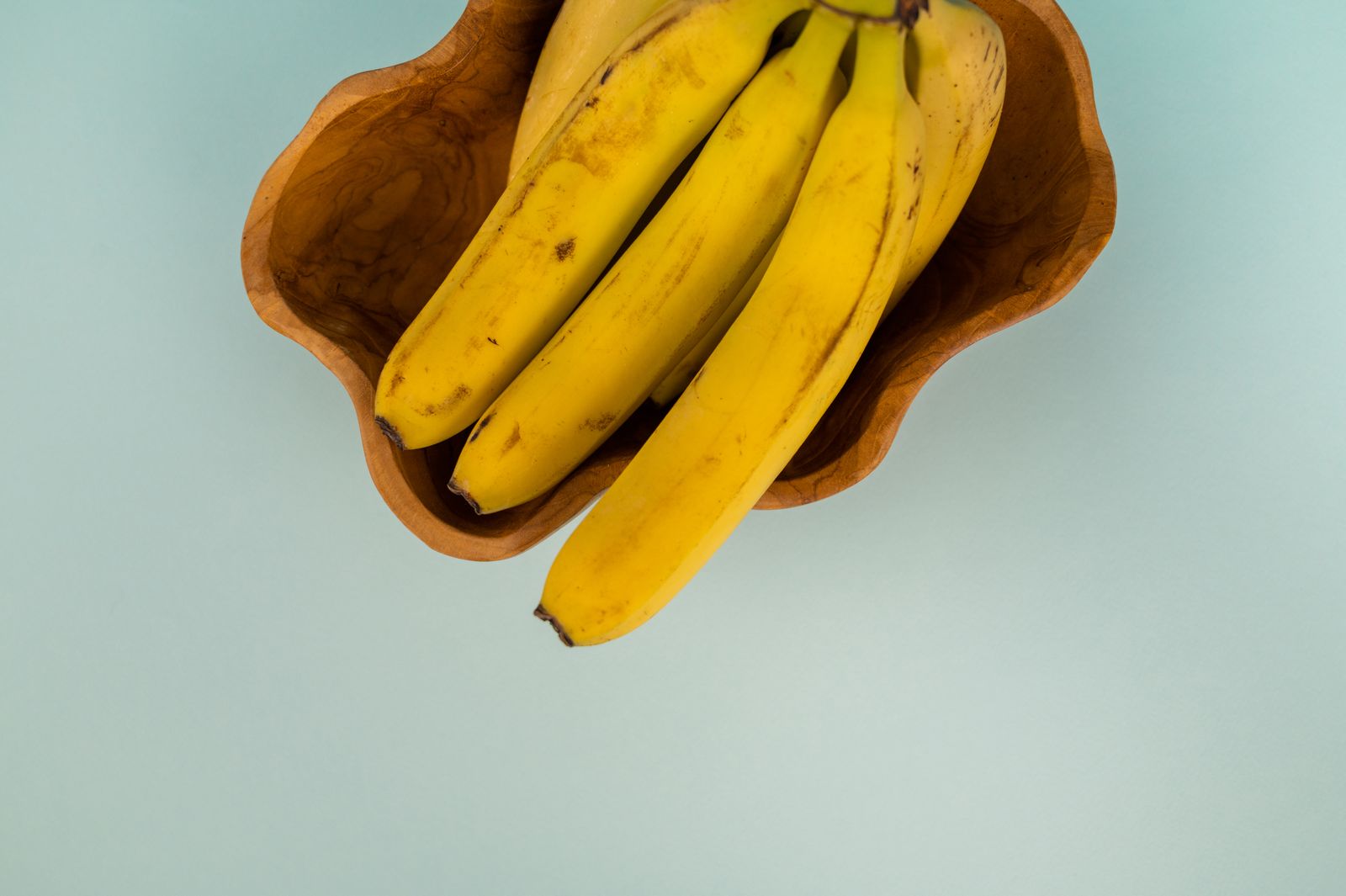
How to Get Rid of Fruit Flies: 5 Traps That Work
How to Get Rid of Fruit Flies: 5 Traps That Work
Seeing tiny flies swarm your fruit bowl is one of the most annoying kitchen surprises you can walk into — especially in late summer and early fall, when produce ripens fast and one forgotten banana turns into a cloud of pests overnight. If you’re wondering how to get rid of fruit flies, the good news is you don’t need exterminators or chemical sprays. A jar, some apple cider vinegar, and a few minutes is all it takes to start seeing results within hours.
Before we get to the traps, it helps to know what you’re dealing with. Fruit flies — the tiny reddish-brown flies, not the larger black ones — live fast. A female can lay up to 500 eggs, and those eggs hatch within about 24 hours. That means the few flies you see today can become dozens by the weekend. The key insight: you’re not just fighting the flying adults, you’re fighting their breeding cycle. A trap alone will help, but removing what they’re breeding in is what ends it for good.
Why Fruit Flies Show Up in Your Kitchen
Fruit flies aren’t a sign your home is dirty. They usually hitchhike in on groceries — eggs can already be on the surface of the produce you bring home from the store or farmers market. Once inside, they breed anywhere there’s moist, fermenting organic matter: overripe fruit on the counter, the garbage disposal, a forgotten mop head, recycling bins with unrinsed bottles, and especially kitchen sink drains, where a film of food residue can host larvae you can’t see.
One mistake almost everyone makes: focusing only on the flies you can see and ignoring the drains. If traps catch flies but new ones keep appearing, the drain is almost certainly the nursery. We’ll fix that below.
The Apple Cider Vinegar Trap (The One That Actually Works)
This is the trap that pest professionals and bartenders alike swear by, and it’s the fastest homemade method I know. Here’s exactly how to set it up:
- Pour about half an inch of apple cider vinegar into a small bowl or jar. Raw, unfiltered vinegar smells the strongest.
- Add 2–3 drops of liquid dish soap. Don’t stir aggressively — just let it settle. The soap breaks the surface tension so flies sink instead of standing on the liquid.
- Cover the top tightly with plastic wrap and secure it with a rubber band.
- Poke 8–10 small holes in the plastic with a toothpick — big enough for a fly to crawl in, small enough to confuse them on the way out.
- Place the trap right next to the fruit bowl, the trash can, or wherever the flies are thickest.
The fermented smell of the vinegar is irresistible to them — it mimics rotting fruit, which is exactly what they’re hunting. Most people see flies accumulating within a few hours, and the trap is usually full by the next morning. Dump and refresh it every 2–3 days, or whenever it gets crowded. One trap is rarely enough for a real infestation, so don’t be shy about setting two or three in different spots.
No apple cider vinegar on hand? Red wine or balsamic vinegar works nearly as well. White vinegar is the weakest option — if that’s all you have, add a piece of overripe fruit to boost the lure.
4 More Fruit Fly Traps Worth Trying
The Paper Cone Trap
If you’re out of plastic wrap, roll a sheet of paper into a cone and tape it so it holds the shape, with a small opening at the narrow end. Set the cone into a jar with apple cider vinegar at the bottom. Flies funnel down through the opening and can’t find their way back out. Old bartenders use this trick with the leftovers in drink glasses — it works because the flies genuinely can’t navigate back up the cone.
The Dish Soap + Wine Trap
Pour a little red wine into a glass and add a drop of dish soap. Fruit flies love fermenting fruit sugar even more than vinegar, and wine seems to out-pull everything else in side-by-side tests. Leave it uncovered near the problem area. It’s also the trap you can set at a dinner party without it looking like a science project.
The Banana Peel Bag Trap
Put a banana peel in a sandwich bag and seal it about 80% shut, leaving a small opening. Flies are drawn to the fermenting peel, squeeze in through the gap, and most can’t find their way back out. When the bag is full of flies, zip it shut and throw it away — peel and all. It’s ugly but brutally effective for a bad infestation.
The Store-Bought Sticky Trap
If DIY isn’t your thing, the plug-in UV light traps and apple-shaped sticky traps sold at home stores do catch flies. But honestly, the homemade vinegar trap outperforms most of them at a fraction of the cost — under 15 cents per trap versus several dollars for a disposable commercial one. Save your money.
Kill the Breeding Grounds (This Is What Stops Them Coming Back)
Here’s the part most quick-tip articles skip, and it’s the difference between a kitchen that’s quiet for a week and a kitchen that’s quiet for good. You need to cut off the breeding sites:
- Clean the drains. Pour a pot of boiling water down the sink drain, then follow with half a cup of baking soda and a cup of white vinegar. Wait 15 minutes, then flush with more hot water. Do this weekly while you have an infestation. That slimy film inside the drain is where larvae hide. Drain problems elsewhere? Here’s how to unclog a bathtub drain without a plunger
- Refrigerate ripe fruit. Fruit flies find exposed produce within hours. Keep ripe fruit in the fridge and take out only what you’ll eat soon.
- Empty the trash and recycling daily. Unrinsed soda bottles, beer cans, and food scraps in the bin are five-star hotels for fruit flies. Rinse recyclables before they go in the bin.
- Wipe down surfaces and handles. Spilled juice, a sticky fridge handle, the rim of the trash can — wipe them all. Fruit flies follow sugar trails.
- Wash produce when you get home. A quick rinse removes eggs that may have hitched a ride from the store.
If you’re composting on the counter, move the bin to the freezer during fruit fly season. No smell, no flies, no compost going wrong.
While you’re giving the kitchen this treatment, it’s also worth giving your appliances a reset — here’s how to deep clean a washing machine and how to clean a coffee grinder so the whole kitchen smells fresh again.
How Long Until They’re Gone?
With traps out and breeding sites cleaned, you should notice a real difference within 24–48 hours. But give it a full week before declaring victory — eggs already laid can keep hatching for a few days. Keep one trap out for another week as insurance, refreshing the vinegar every few days. If flies are still swarming after a week of this, you’ve missed a breeding site: check under appliances for forgotten spills, the bottom of the trash can, and rarely-used drains.
Fruit Fly FAQ
Are fruit flies dangerous?
Not really — they don’t bite and they don’t spread diseases the way houseflies do. But they do carry bacteria on their feet and can contaminate food, so you definitely want them out of your kitchen.
Where do fruit flies come from if I keep my kitchen clean?
Most likely on your groceries. Eggs are laid on produce at the store or farm, and they hatch in your kitchen. Pantry items have their own pests — see how to get rid of pantry moths Drains, garbage disposals, and recycling bins are the other big hidden sources.
How fast do fruit flies multiply?
Terrifyingly fast. A female lays up to 500 eggs, and eggs hatch within 24 hours. The whole cycle from egg to adult can take as little as a week in warm weather. That’s why speed matters — set traps the day you notice them.
Can I get rid of fruit flies without apple cider vinegar?
Yes. Red wine, balsamic vinegar, or even beer with a drop of dish soap all work. Plain white vinegar is the weakest, so pair it with a piece of overripe fruit for a better lure.
Do fruit flies go away on their own?
Rarely. As long as there’s food and moisture, they’ll keep breeding. Remove the attractants and set traps, and they’ll be gone in about a week.
The Bottom Line
Getting rid of fruit flies is a two-part job: trap the adults with an apple cider vinegar and dish soap trap, and eliminate the breeding grounds — especially the drains. Do both and the kitchen goes quiet within days. Do only the traps and you’ll be refilling jars for weeks. Set your first trap tonight, scrub the drains tomorrow, and by next week those tiny invaders will be a distant memory.



2 thoughts on “How to Get Rid of Fruit Flies: 5 Traps That Work”