





How Does the Military Sleep Method Work? 2-Minute Guide (2026)
You are lying in bed at 1 a.m. with your brain replaying everything embarrassing you have said since 2014. That is when people usually ask: how does the military sleep method work? It is a technique that supposedly helps you fall asleep in 120 seconds, and it has racked up millions of TikTok views. The truth: it is more than 80 years old, it was designed for U.S. Navy pilots, and books described it long before TikTok existed. Here is what it is and what sleep science actually says.
How Does the Military Sleep Method Work? The Short Answer
The military sleep method works by combining full-body muscle relaxation with a simple mental quieting technique. You relax every muscle group from your face down to your toes, slow your breathing, and then clear your mind for about ten seconds by picturing a calm scene or repeating a neutral phrase.
Where the Military Sleep Method Actually Came From
This did not start on social media. The method traces back to the U.S. Navy Pre-Flight School during World War II. Exhausted pilots were making mistakes, so the Navy wanted a system to help them fall asleep fast in noisy, stressful conditions. Coach Lloyd “Bud” Winter worked with the program, and in 1981 he published the full routine in his book Relax and Win: Championship Performance, the original source almost every article about the method cites.
The routine spread slowly for decades through sports psychology circles. Then around 2018 and again in 2023, TikTok creators started filming themselves trying it, and the old technique went viral. The viral version keeps the steps mostly intact, but it glosses over the practice requirement. More on that below.
The Exact Steps, Explained Like a Real Person
Here is the routine as Bud Winter described it, in plain English. Do it in order, and do not rush the relaxation part, because rushing is the main reason people say it “doesn’t work.”
Step 1: Relax your face completely
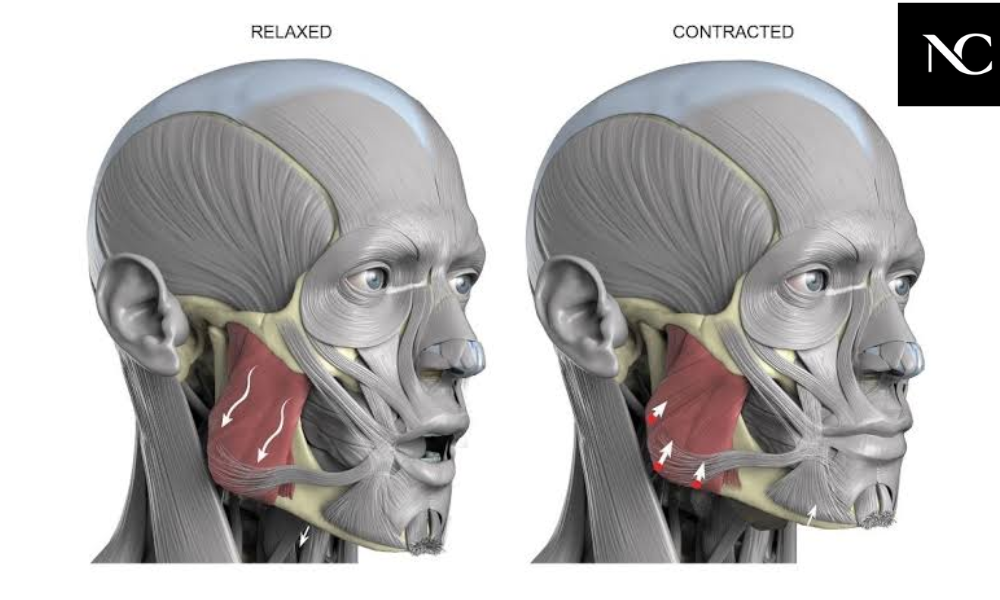
Start with your forehead. Let it go smooth and loose, the way your face feels when you are half asleep. Then relax the muscles around your eyes, let your cheeks go slack, and unclench your jaw. Let your tongue rest loosely in your mouth. Most of us hold tension in our faces all day without noticing, and releasing it signals your nervous system that the day is over.
Step 2: Drop your shoulders and let your arms go limp
Let your shoulders drop as far down as they will go. Then relax one side of your upper arm, then the other. Let your forearms, hands, and fingers go heavy. Imagine your arms sinking into the mattress. If you notice yourself still holding your shoulders up near your ears, which is common, consciously drop them again.
Step 3: Exhale and relax your chest
Take a deep breath in, then exhale slowly and let your chest relax on the way out. Longer, slower out-breaths activate your parasympathetic nervous system, the “rest and digest” side of things. Short shallow breaths do the opposite, so slow this down on purpose.
Step 4: Relax your legs from the thighs down
Work downward: thighs, knees, calves, ankles, feet, toes. Let each part go limp in turn. By now you should feel heavy all over, like your body has melted a few inches into the bed. If a muscle group resists, give it an extra breath and move on. Perfection is not the goal; general limpness is.
Step 5: Clear your mind for ten seconds
This is the hard part, and the part the viral videos skip over. Once your body is relaxed, stop thinking for about ten seconds. Winter suggested three options: picture yourself lying in a canoe on a calm lake with a clear blue sky above you, picture yourself in a black velvet hammock in a completely dark room, or repeat the phrase “don’t think” for ten seconds. If your mind wanders, go back to the scene or the phrase.
Does the Military Sleep Method Actually Work? What Sleep Science Says
There is no big clinical trial where hundreds of people were randomized to the military method versus a placebo. So if you want the honest answer: the specific 96-percent-in-six-weeks claim has never been rigorously tested. But the building blocks of the method are genuinely supported by sleep science.
The body scan portion is essentially progressive muscle relaxation without the tensing phase. Research on progressive muscle relaxation has shown it can reduce sleep-onset latency, meaning people fall asleep faster, and it is used in CBT-I (cognitive behavioral therapy for insomnia), the gold-standard insomnia treatment. Licensed clinical psychologist Dr. Leah Kaylor notes that it reduces muscle tension, slows breathing, and quiets mental chatter, all of which push your body toward sleep.
So think of it this way: the method is a remix of two proven techniques, progressive relaxation and visualization, packaged in a memorable two-minute format. It is just not magic, and it will not work on the first night if you do it while fuming about an email.
The Catch Nobody Mentions: It Takes About Six Weeks
The original claim was not “fall asleep in two minutes tonight.” It was that 96 percent of people could do it after six weeks of consistent practice. Relaxation is a skill. The first few nights, your brain will wander off and you will lie there thinking about the method itself, which defeats the purpose. That is normal.
Practical advice: practice the routine even when you are not desperate for sleep. Run through it on the couch in the evening or during weekend naps. By the time you actually need it at 1 a.m., your body will know the drill. Most sleep techniques fail because people try them for the first time in the worst possible conditions and give up after two nights.
Also, your sleep setup matters more than any technique. Clean, fresh bedding and a cool, dark room do more for your sleep than any trick, and a tidy bed tells your brain “this is sleep time.” Our guide on how to fold a fitted sheet keeps bedding tidy, and washing your machine properly means your sheets actually come out clean.
Common Mistakes That Break the Method
- Skipping straight to step 5. If your body is still tense, picturing a lake will not override it. The relaxation sequence is the engine; the mental clearing is just the last ten seconds.
- Holding your breath. Slow, steady breathing relaxes you. Holding your breath or breathing fast raises alertness, the opposite of what you want.
- Trying it once and quitting. Two nights is not a fair trial; the six-week practice window is real.
- Using it as a bandage for a sleep disorder. If you snore loudly, gasp at night, or never feel rested, that needs a doctor, not a relaxation trick.
Military Sleep Method vs. the 4-7-8 Breathing Method
People often ask how this compares to 4-7-8 breathing: inhale for four counts, hold for seven, exhale for eight. The 4-7-8 method is all breathing and quicker to learn. The military method adds the full body scan and visualization, which gives your mind something to do besides worry. Neither is better in any absolute sense: the one you will actually practice is the one that works.
Frequently Asked Questions
How long does the military sleep method take?
About two minutes once you know it, though beginners should expect longer for the first few weeks.
Does the military sleep method work on the first night?
Probably not. The original claim involved six weeks of practice, so treat your first attempt as a rehearsal.
What if I cannot stop thinking during step 5?
That is the most common complaint, and the fix is boring but effective: keep practicing. Start with ten seconds and extend the quiet period as it gets easier. The repeating phrase option (“don’t think”) works better for busy minds than the visualization.
Is the military sleep method real or a TikTok myth?
It is real: it comes from the U.S. Navy Pre-Flight School and Bud Winter’s 1981 book, not from social media. The TikTok part was just the revival.
Can the military sleep method help with insomnia?
It can help with occasional trouble falling asleep. Chronic insomnia is a medical issue, though, and not something a relaxation trick alone can treat.
Conclusion
So, how does the military sleep method work? It works by deliberately relaxing your body from head to toe and then giving your mind one simple, calm thing to focus on for ten seconds. The “fall asleep in two minutes” promise comes with a six-week practice disclaimer the viral videos usually leave out. But its pieces, progressive relaxation and mental quieting, are backed by real sleep science, and the whole thing costs nothing. Worst case, you get two minutes of deep relaxation a night.

One thought on “How Does the Military Sleep Method Work? 2-Minute Guide (2026)”