






How to Get Rid of Hiccups Fast: 11 Remedies That Work
How to Get Rid of Hiccups Fast: 11 Remedies That Work
You are in a meeting, on a date, or trying to fall asleep, and then it starts. Hic. Hic. Hic. Everyone wants the same thing in that moment: to learn how to get rid of hiccups fast before they take over the evening. Most hiccups surrender within minutes if you use the right remedy and do it properly.
Here are 11 remedies that actually work, why they work, and the rare cases where hiccups mean calling a doctor. No scare tactics, no time-wasting folklore.
Why Do We Get Hiccups in the First Place?
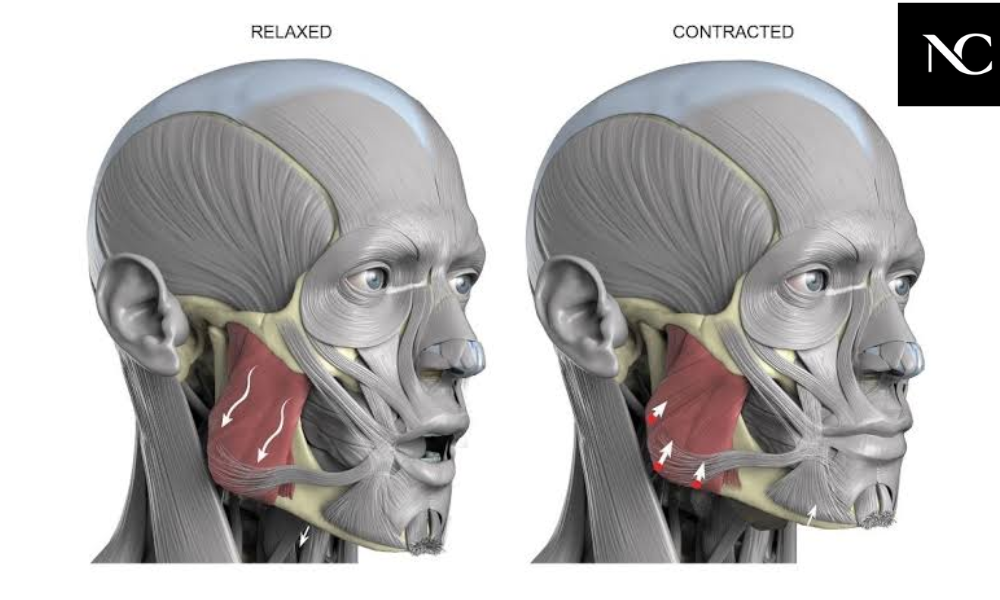
A hiccup is a spasm of your diaphragm, the muscle under your lungs that drives breathing. When it contracts on its own, you inhale suddenly and your vocal cords snap shut. That snap is the “hic.” The reflex runs through the vagus nerve, which connects brain to stomach, and the phrenic nerve, which controls the diaphragm. Irritate either one and the loop misfires.
The triggers are ordinary: eating too fast, carbonated drinks, beer, spicy food, excitement, laughing hard, or gulping cold drinks. Alcohol irritates the stomach lining, which is why a night out often ends with hiccups. Stress and sudden cold air can do it too. It does not mean anything is wrong. It means your diaphragm is twitchy and needs a reset.
How to Get Rid of Hiccups Fast: 11 Methods Worth Trying
Every remedy below interrupts the reflex in one of two ways: stimulating the vagus nerve or raising carbon dioxide in your blood, which relaxes the diaphragm. Start with the first three.
1. Try the HAPI breathing technique
This one has research behind it. In 2024, a small study in the medical journal Cureus described HAPI, short for hiccup relief using active prolonged inspiration, and it stopped hiccups immediately for every participant. Take the deepest breath you can, hold it for 30 seconds while trying to inhale in tiny pulses without exhaling, then breathe out slowly.
2. Hold your breath, properly
Take a deep breath and hold it for 15 to 20 seconds, then exhale slowly. The carbon dioxide buildup tells your diaphragm to relax. Repeat two or three times if needed. Skip this if a heart or lung condition makes breath-holding unsafe.
3. Drink a full glass of ice-cold water
Cold water stimulates the vagus nerve in your throat while steady swallowing resets your breathing rhythm. Drink in slow, continuous gulps without stopping to breathe. This ends most episodes in under a minute.
4. Drink from the far side of the glass
Bend forward slightly and sip from the opposite rim, drinking “upside down.” The awkward angle forces concentration, slows swallowing, and stimulates throat nerves differently. It sounds like a party trick, but the mechanism is real.
5. Gargle with ice water
Gargle vigorously with ice-cold water for 20 to 30 seconds. The back of your throat is dense with vagus nerve endings, and the cold adds a jolt that can break the reflex. Save this one for home.
6. Swallow a spoonful of sugar
Put a teaspoon of granulated sugar on the back of your tongue, wait 10 to 15 seconds, then swallow. The grainy texture overloads throat nerve endings and can snap the reflex. Honey works too. For young children, use corn syrup instead.
7. Bite into a lemon
A lemon wedge’s sharp sourness disrupts the esophagus and distracts the vagus nerve, the sugar trick in reverse. No lemon? A teaspoon of apple cider vinegar does the same job. The more intense the sourness, the better.
8. Breathe into a paper bag
Breathe slowly into a small paper bag for about 30 seconds to raise blood carbon dioxide. Breathe normally, stop at once if you feel lightheaded, never use a plastic bag, and skip this with any breathing condition.
9. Pull your knees to your chest
Sit down, hug your knees tightly for about a minute. Compressing your chest and diaphragm can interrupt the spasm cycle. The related Valsalva maneuver, pinching your nose and trying to exhale gently against it for 10 to 15 seconds, works on the same pressure principle.
10. Press a cold compress to your face
Hold a cold, damp washcloth against your cheeks and forehead for 20 to 30 seconds. Sudden cold triggers the dive reflex, slowing your heart rate and shifting your nervous system into calm mode, often enough to stop the spasms.
11. Eat a spoonful of peanut butter
A heaping teaspoon of peanut butter forces sustained chewing and swallowing while the thick paste disrupts your breathing pattern. That combination breaks the cycle for many people. Almond butter works too.
Why These Remedies Actually Work
It is anatomy, not magic. The hiccup reflex is a loop between irritated nerves and a twitchy diaphragm. Stimulating the vagus nerve, through swallowing, gargling, or a sour shock, sends a competing signal that overrides the loop. Raising blood carbon dioxide tells the diaphragm to stand down. One honest caveat: most evidence here is anecdotal, not clinical. Doctors recommend these methods because they are safe, free, and work often enough. HAPI is the exception with published data, which is why it leads.
Hiccups at Night? Here Is What Helps
Nighttime hiccups are the worst because every “hic” drags you back awake. Try cold water or the HAPI technique at the kitchen sink; both work half-asleep. If your mind is racing too, slow breathing helps twice over by raising CO2 and calming your nervous system. Controlled breathing is also the core of the military sleep method, worth knowing for restless nights. Avoid lying flat right after eating, since reflux can keep the loop going.
Hiccups Love Travel Days
Travel days are classic hiccup territory: rushed terminal meals, carbonated drinks, excitement, stress. If hiccups strike mid-journey, the sugar packet from your coffee or a lemon wedge from the drinks cart can save you. Traveling lighter removes one stress source entirely, which is the idea behind the 54321 packing rule for fitting a week into a carry-on.
What Not to Do
Having someone scare you is the most famous “cure” and the least reliable, and it can be risky with heart conditions. Chugging huge amounts of water just leaves you bloated. Smelling salts are overkill for a harmless reflex. Do not keep repeating breath-holding if you feel dizzy. If three or four methods fail within 15 minutes, the hiccups will most likely fade on their own soon.
When Hiccups Mean You Should See a Doctor
Almost all hiccups stop within minutes to a couple of hours. The medical line is clear: beyond 48 hours they are called persistent hiccups, and past a month they are intractable. Either deserves a doctor visit. Frequent recurring episodes can point to acid reflux (GERD), which irritates the esophagus and nearby nerves, or less commonly to nerve irritation, medications, or metabolic issues. See a doctor sooner with trouble swallowing, vomiting, severe abdominal pain, or numbness. For persistent cases, doctors may prescribe options such as chlorpromazine. This article is general information, not medical advice.
Frequently Asked Questions
Does holding your breath really stop hiccups?
Often, yes. It raises blood carbon dioxide, which relaxes the diaphragm. It works best with a deep breath held at least 15 to 20 seconds. If that fails, the HAPI variation with pulsed inhales has the strongest track record of any breathing method.
How long do hiccups usually last?
Most episodes last a few minutes and nearly all resolve within a couple of hours. Beyond 48 hours they are considered persistent, past a month intractable. Both are uncommon and both warrant medical attention.
Can hiccups be a sign of something serious?
Ordinary short-lived hiccups are not. But hiccups lasting days, recurring frequently, or arriving with difficulty swallowing or persistent heartburn can signal GERD, nerve irritation, or medication side effects. Mention recurring episodes at your next checkup.
Do these remedies work for babies and kids?
Many do, with adjustments. Burping a baby mid-feed often stops infant hiccups, since swallowed air is the usual trigger. For toddlers, small sips of cold water work well. Use corn syrup instead of granulated sugar for young children, and never ask a small child to hold their breath.
Why do I get hiccups every time I eat?
Eating too fast is the top cause: rapid eating means swallowing air, and a quickly filling stomach presses on the diaphragm. Carbonated drinks make it worse. Slow down, chew thoroughly, skip the fizzy drinks. If careful eating does not fix frequent episodes, ask a doctor about acid reflux.
The Bottom Line
Hiccups are annoying but almost never dangerous, and you now have 11 ways to shut them down. Start with the HAPI technique or ice-cold water, since those end the most episodes fastest. Keep the sugar, lemon, and peanut butter tricks for stubborn cases. Remember the 48-hour rule: anything outlasting two days is no longer a home-remedy situation. Most of the time, one good deep breath is all it takes.