



How to Cook a Pork Roast in the Oven (Without Drying It Out)
The first time I roasted a pork shoulder, I pulled it out looking gorgeous on the outside and disappointingly tough in the middle. It turns out I’d made the most common mistake there is with pork roast in the oven: treating every cut the same way. A pork loin and a pork shoulder are basically different animals when it comes to cooking, even though they both say “pork roast” on the package.
That mix-up is exactly why so many home cooks end up with dry, stringy meat or, worse, an undercooked centerpiece on a Sunday when guests are already at the table. This guide walks through the cuts, the actual numbers you need (temperature and time, not vague guesses), and the small habits that separate a forgettable roast from one people ask you to make again.
The Basics of Cooking Pork Roast in the Oven
To cook a pork roast in the oven, season it, sear or start at high heat (425°F) for 15 to 30 minutes to build a crust, then lower the temperature to 325°F to 350°F and roast until it hits the right internal temperature for the cut. Lean cuts like pork loin are done at 145°F with a short rest. Fattier cuts like pork shoulder or butt need to go much higher, typically 190°F to 205°F, so the connective tissue has time to break down and the meat turns tender enough to shred.
Pick the Right Cut Before You Pick a Recipe
This is the step most articles skip, and it’s the one that causes the most kitchen disasters. Not all pork roasts behave the same way in the oven.
- Pork loin roast. Lean, mild, and the most common “roast” you’ll find at the grocery store. It cooks relatively fast and can dry out if you overshoot the temperature even slightly.
- Pork shoulder or pork butt (Boston butt). Well marbled with fat and full of connective tissue. This cut wants low, slow heat so the collagen has time to melt into the meat instead of staying tough.
- Pork tenderloin. Often confused with pork loin, but it’s a completely different, much smaller and leaner cut that cooks in well under an hour. It’s not a good substitute in a shoulder recipe.
- Pork sirloin roast. A leaner cut from the hip area, similar in behavior to loin but slightly more flavorful.
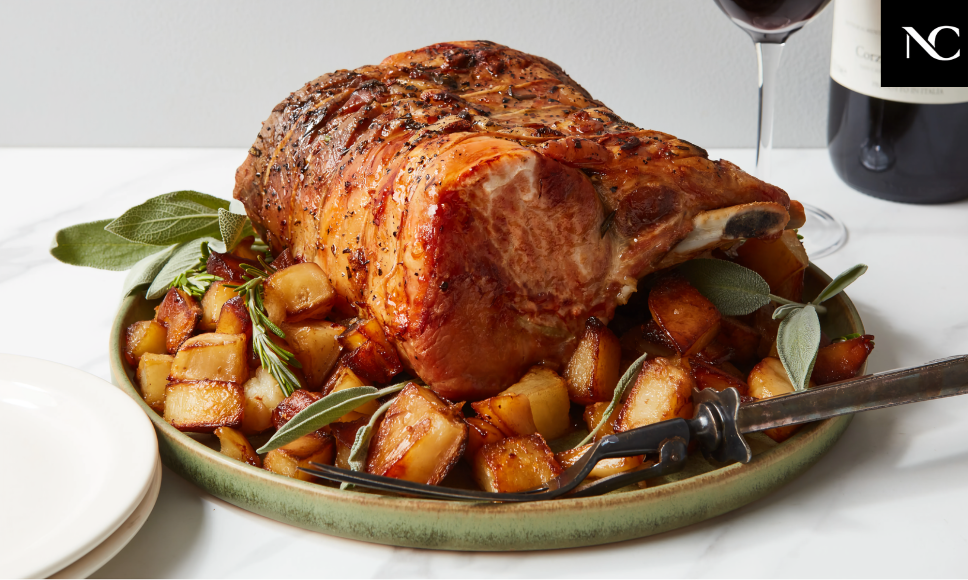
- Pork rib roast. Bone-in and impressive looking, great for a holiday table, and forgiving because the bone helps regulate heat.
Here’s the part that trips people up: a pork loin cooked to 145°F is tender and juicy, but a pork shoulder cooked to that same 145°F would be chewy and unpleasant. The fat and collagen in shoulder cuts need much higher heat and more time to render down. This is exactly why so many recipes online contradict each other on temperature. They’re often talking about different cuts without saying so clearly.
Pork Roast Cooking Times and Temperatures by Cut
Use a meat thermometer for this, not the clock alone. Oven accuracy varies more than people expect, and an inexpensive oven thermometer can save you from a roast that’s either raw in the middle or overcooked by the time your side dishes are ready.
| Cut | Oven Temp | Time Per Pound (approx.) | Target Internal Temp | Best For |
| Pork loin roast | 350°F to 375°F | 20 to 25 minutes | 145°F, then rest | Slicing |
| Pork shoulder / butt | 300°F to 325°F | 30 to 35 minutes | 195°F to 205°F | Pulled pork |
| Pork tenderloin | 400°F to 425°F | 20 minutes total (not per pound) | 145°F, then rest | Slicing, quick meals |
| Pork sirloin roast | 325°F to 350°F | 25 to 30 minutes | 145°F, then rest | Slicing |
| Pork rib roast | 325°F to 350°F | 20 to 25 minutes | 145°F, then rest | Slicing, presentation |
These numbers are widely used starting points, not guarantees. A roast with an unusual shape, one that’s very cold from the fridge, or one that’s especially thick will need adjustments. That’s the whole reason a thermometer matters more than a timer.
Step-by-Step: How to Roast Pork in the Oven
This method works for most cuts with small adjustments to temperature and time based on the table above.
- Bring it to room temperature. Pull the roast out of the fridge 30 to 60 minutes before cooking. A cold roast straight from the fridge cooks unevenly.
- Pat it dry and season generously. Moisture on the surface prevents browning, so a paper towel does real work here. Use a simple rub of salt, pepper, garlic powder, and whatever herbs you like. Sage, thyme, and rosemary all pair well with pork.
- Sear or start hot. Either sear the roast in a hot skillet or Dutch oven for a couple of minutes per side, or start it uncovered in a 425°F oven for 15 to 30 minutes. Both approaches build the browned crust that adds flavor.
- Drop the temperature. Lower the oven to the range listed for your cut in the table above. This slower phase is where the meat actually cooks through evenly.
- Insert a meat thermometer. Place the probe in the thickest part of the roast, away from bone or fat pockets, which can give a false reading.
- Roast until it hits the target temperature. Check periodically rather than opening the oven constantly, since that lets heat escape and extends your cook time.
- Rest before slicing. Tent the roast loosely with foil and let it sit for 10 to 20 minutes (longer for bigger shoulder roasts). This isn’t optional. Cutting too early lets the juices run out onto the cutting board instead of staying in the meat.
Covered or Uncovered: Which Gives Better Results?
This is one of the more common points of confusion, and honestly, it depends on what you’re after.
- Uncovered roasting produces a deeper, crisper crust because the dry oven air browns the surface. The trade-off is that it needs more attention, since the surface can darken faster than the inside finishes cooking.
- Covered roasting (foil or a lidded Dutch oven) traps steam, which keeps the meat moist and is especially useful for tougher, fattier cuts like shoulder. The downside is a paler, softer exterior, though this is usually fixed with an uncovered blast at high heat during the final 10 minutes.
A practical middle ground many cooks use: start uncovered to build color, cover partway through if the top is browning faster than the inside is cooking, then uncover again near the end to crisp it back up.
How to Keep Pork Roast from Drying Out
Dry pork is almost always the result of one of these, and thankfully, all of them are fixable.
- Choose a cut with enough fat. If you want forgiving and juicy, pork shoulder beats pork loin nearly every time.
- Don’t skip the fat cap. If your roast has a layer of fat on top, leave it on. It bastes the meat as it renders.
- Use a thermometer, not a clock. Ovens vary, roasts vary, and “cook for one hour” is a guess at best.
- Pull it a few degrees early. The internal temperature keeps climbing for several minutes after the roast leaves the oven, an effect commonly called carryover cooking. Pulling the meat 5°F below your target and letting it coast up during the rest avoids overshooting.
- Rest it properly. As mentioned above, this step redistributes the juices so they end up in the meat instead of on the cutting board.
Why Resting Actually Matters (Not Just Tradition)
When meat cooks, the muscle fibers tighten and push liquid toward the center. If you slice immediately, that liquid spills out the moment you cut into it. Resting gives the fibers time to relax and reabsorb some of that moisture, so more of it stays in the meat instead of pooling on the board.
There’s also the carryover effect already mentioned. A large roast can climb 5 to 10 degrees after it comes out of the oven, purely from residual heat working its way to the center. That’s part of why pulling pork loin at around 140°F, rather than waiting for 145°F in the oven, often results in a better final product. It reaches the safe target while resting instead of overshooting it while still in the heat.
Troubleshooting: What to Do If It’s Not Going Right
- The outside is browning too fast, but the inside isn’t done. Tent it loosely with foil and lower the oven temperature slightly.
- It’s tough even though the thermometer says it’s done. This usually means you’re roasting a fattier cut, like shoulder, at a loin temperature. Fatty cuts need to go well past 145°F, often into the 195°F to 205°F range, before the connective tissue actually breaks down.
- It came out dry. Next time, choose a fattier cut, pull it a few degrees earlier, and make sure you’re resting it for the full recommended time.
- The middle is still pink after the recommended time. This can happen with an oddly shaped roast or an oven running cooler than its dial suggests. Keep roasting in 10 minute increments and rely on the thermometer, not the clock.
Storing and Reheating Leftovers
Cooked pork roast keeps for three to four days in the refrigerator in an airtight container. For longer storage, wrap it tightly and freeze it, where it holds up well for a couple of months.
When reheating, low and gentle beats fast and hot. A covered dish in a 300°F oven with a splash of broth added keeps the meat from drying out the second time around. The microwave works too, but using a lower power setting and short intervals helps avoid turning already-cooked pork into rubber.
Read More: https://newscourt.co.uk/masseter-muscle/
FAQs
What temperature should a pork roast be cooked to in the oven?
It depends on the cut. Lean cuts like loin, tenderloin, and sirloin are done at 145°F with a short rest. Fattier cuts like shoulder or butt need to reach 195°F to 205°F to become tender enough to shred.
How long does it take to cook a pork roast in the oven per pound?
Roughly 20 to 25 minutes per pound for lean cuts at 350°F to 375°F, and 30 to 35 minutes per pound for shoulder cuts at a lower 300°F to 325°F. Always confirm doneness with a thermometer rather than relying on time alone.
Should you cover a pork roast while baking?
Covering keeps the meat moist but softens the crust, while roasting uncovered builds a better crust but needs closer attention. Many cooks combine both, covering partway through and uncovering near the end to crisp the surface.
Is pork roast done at 145°F, or does it need to reach 160°F?
145°F is the recommended minimum for lean cuts like loin, tenderloin, and sirloin, followed by a short rest. This applies to sliceable cuts, not fattier shoulder or butt roasts, which need much higher temperatures to become tender.
How long should a pork roast rest before slicing?
About 10 to 15 minutes for smaller, lean roasts, and up to 20 to 30 minutes for larger shoulder roasts. Resting lets the juices redistribute instead of spilling out when you cut into the meat.
What’s the difference between pork loin and pork shoulder for roasting?
Pork loin is lean, cooks faster, and is best served sliced at 145°F. Pork shoulder is fattier, needs low and slow cooking, and is best cooked to 195°F to 205°F for pulling or shredding.
Can you cook a pork roast from frozen?
It’s not recommended. A frozen roast cooks unevenly, often leaving the outside overdone while the inside lags behind, which creates food safety concerns. Thaw it in the refrigerator for a day or two before roasting.
How do you get a crispy crust on a pork roast?
Pat the surface completely dry before seasoning, start the roast uncovered at a high temperature (around 425°F) to build color, and if you covered it partway through cooking, uncover it again during the final 10 minutes.
Final Thoughts
A great pork roast in the oven really comes down to matching the cut to the method. Lean cuts want moderate heat and a firm stop at 145°F. Fattier cuts want patience, lower heat, and a much higher finishing temperature. Once that clicks, the rest is mostly about a good thermometer and not rushing the rest period.
If you’re planning a pork roast for this weekend, pick your cut first, then use the table above to set your oven and your expectations. Try it once, take notes on what worked, and adjust next time. That’s really how every good home cook builds a reliable version of this recipe.